Key Takeaways
- Fallen trees in Holland, MI can create safety hazards, block access, damage structures, and interact with utilities, so careful assessment and professional removal are often essential.
- The right response depends on where the tree landed, whether utilities are involved, and how stable the remaining trunk and root system are.
- DIY cleanup may work for small, simple debris, but larger fallen trees, especially those on structures, vehicles, fences, slopes, or near power lines, should be handled by trained professionals.
- Costs for fallen tree removal vary with tree size, site access, hazards, and equipment needs; true emergency or night work typically costs more than scheduled removals.
- Understanding safety steps, insurance basics, and prevention ahead of time makes storm season less stressful for Holland property owners.
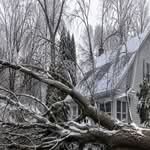
Holland, Michigan’s mature trees, lake-effect winds, and periodic heavy storms mean fallen trees are an eventual reality for many property owners. Whether a tree comes down across your lawn, onto your fence, or against your home, knowing what to do next determines how safely and smoothly the situation is resolved. Fallen tree removal is about more than cutting wood; it involves safety, liability, insurance, and the right equipment to move heavy material without causing more damage.
When a Tree Falls on Your Holland, MI Property
When you discover a fallen tree, the priority is safety.
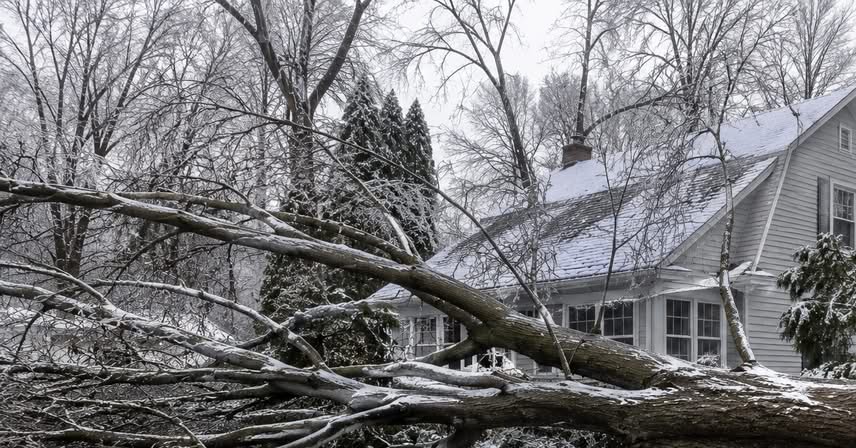
- If the tree has landed on a house, garage, vehicle, or any structure, people may be inside. Move everyone away from the impacted area until the extent of damage is understood.
- If you notice sagging roofs, cracked walls, bent supports, sticking doors, or hear creaking, avoid entering the building until emergency personnel or qualified contractors have evaluated it.
- Next, check for any contact with utilities. Branches or trunks resting on, wrapped around, or even very close to power lines should be treated as if they are in contact with live electricity.
- Do not touch the tree, fences, vehicles, metal objects, or standing water nearby. From a safe distance, call your electric utility to report the hazard. Only after life safety and utilities have been addressed should you begin making plans for removal and cleanup.
When Fallen Trees Are a DIY Job and When They Are Not
Some Holland homeowners own chainsaws and may be tempted to handle the cleanup themselves. For small trees or limbs that have fallen clear of structures, lines, and steep slopes, careful DIY work can be reasonable. Examples include – modest branches lying in open lawn areas that can be cut into manageable pieces and safely stacked, chipped, or hauled. Even then, correct protective equipment, stable footing, and an understanding of how wood can roll or shift are essential.
Many fallen trees are not that simple. A trunk or large limb can be under heavy tension and compression, especially when partially hung on another tree, resting on a structure, or twisted by how it fell. Cutting the wrong piece can cause sudden shifts, rolling logs, or whipping branches. If the tree is large, near a home or garage, pinning a fence or vehicle, on a slope, or close to overhead lines, it is far safer to bring in a professional tree crew with the experience, rigging knowledge, and equipment to manage those forces.
What Affects the Cost of Fallen Tree Removal in Holland, MI
Prices for fallen tree removal in Holland depend on a few key factors.
Tree Size and Species
Prices vary significantly based on the size and type of tree. Large species like oaks, maples, and pines require more labor, time, and heavy-duty equipment compared to smaller ornamental trees.
Site Access and Location
Accessibility plays a major role in cost. Trees in open areas near driveways or streets are easier to remove, while those in fenced yards, tight spaces, or near delicate landscaping require more manual effort and specialized equipment.
Complexity and Hazards
Costs increase when trees are tangled, partially suspended, or resting on structures. Situations involving roofs, decks, fences, other trees, or slopes require more careful planning and risk management.
Timing and Emergency Response
Emergency removals during storms, overnight work, or peak demand periods typically cost more due to increased urgency, staffing needs, and hazardous working conditions.
Overall Job Difficulty
The combination of size, access, hazards, and timing determines whether a removal is a quick cleanup or a complex, resource-intensive operation.
Insurance, Responsibility, and Who Pays for What
Homeowners Insurance Coverage
Fallen tree situations often involve homeowners’ insurance, especially when a tree damages a covered structure like a house, garage, fence, shed, or certain hardscapes. Many policies help cover reasonable removal and repair costs, though coverage limits, deductibles, and conditions vary.
Liability Between Neighbors
When a healthy tree from one property falls onto a neighbor’s yard during a storm, responsibility typically depends on state law, prior knowledge of tree risk, and policy terms. In many storm-related cases, each homeowner’s insurance covers damage on their own property, but specifics should be confirmed with insurers.
Filing a Claim Quickly
If structural damage occurs, it is important to report the claim promptly and speak directly with your insurance agent to understand what is covered and what is not.
Documenting the Damage
Take photos of the fallen tree, impact areas, and visible damage before cleanup begins, if it is safe to do so. Keep estimates, invoices, and contractor notes to support your insurance claim and repair process.
How to Reduce the Risk of Future Fallen Trees in Holland, MI
No tree can be made completely storm-proof, but many failures are tied to issues that could have been identified earlier. Here are a few steps to reduce the risk of future fallen trees in Holland, Michigan.
Timely & Regular Inspections
Regular inspections by a certified arborist can detect decay, weak or included branch unions, root instability, improper past pruning, and structural imbalance before they lead to failure.
Early Action Is Safer and More Predictable
Addressing these issues early through pruning or removal is far safer and more controlled than waiting for a storm to cause sudden collapse and emergency damage.
Strategic Pruning Reduces Risk
Proper pruning helps reduce wind load in the canopy and removes dead, broken, or weakened limbs that are more likely to fail during high winds or heavy snow. This is especially important for trees near homes, garages, driveways, play areas, and power lines.
Long-Term Tree Management
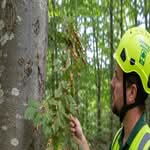
A consistent maintenance plan that includes – inspections, targeted pruning, and planned removals can significantly reduce emergency situations and the high costs associated with storm response and last-minute repairs. Professional tree services begin with an on-site evaluation of trunk stability, root conditions, hanging limbs, and risks involving structures, vehicles, fences, or utilities. This assessment determines the safest removal method and equipment needed.
Controlled Dismantling and Cleanup
Once a plan is in place, the tree is removed in controlled sections to prevent further damage. Branches are usually chipped on-site, while logs may be hauled away, stored for firewood, or processed elsewhere. Stump grinding can be included to fully clear the area for restoration or replanting. Reputable services also focus on protecting surrounding landscaping, minimizing property impact, and leaving the site clean and safe.
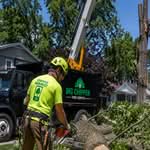
When severe weather strikes, Big Chipper Tree Service provides 24/7 emergency response in Holland, Michigan ensuring property owners can get immediate help day or night, even during overnight storms or weekend emergencies. Our crews are equipped with professional-grade tools and heavy equipment, including bucket trucks, cranes, grapple trucks, and chippers, allowing them to safely and efficiently remove large, unstable, or hazardous fallen trees in complex conditions.
Big Chipper Tree Service provides customers with a clear, written estimate outlining the full scope of work – such as cutting and sectioning, chipping and hauling, optional firewood stacking, stump grinding, and complete site cleanup. We also work closely with insurance adjusters, roofers, and restoration contractors, providing detailed job reports, invoices, and documentation of site conditions to support claims and streamline the recovery process. To learn more about how we can assist you, call (616) 300-1811 to Book Your Free Estimate !!
Frequently Asked Questions About Fallen Tree Removal in Holland, MI
If a tree falls in my yard but does not hit anything, do I have to remove it right away?
If the tree is safely on the ground and away from structures and utilities, timing is usually a matter of convenience and appearance. You should still confirm there are no hanging sections, unstable stubs, or pinched fences that could create hazards for people, pets, or equipment.
What if a city tree or a neighbor’s tree falls onto my property?
Responsibility depends on who owns the tree, its prior condition, local ordinances, and insurance policy language. In many storm situations, each property owner’s insurance covers damage on their own property, but there are exceptions. Contact your insurer and, if a public tree is involved, the City of Holland or Ottawa County for guidance.
Can I leave a big log where it fell and just clean up the small debris?
You can, but consider how it will affect mowing, play, access, and insects over time. Large logs can attract boring insects and fungi and may gradually sink into turf. If you plan to cut it for firewood yourself, be sure you have the experience and equipment to handle heavy sections safely.
Does a professional tree service offer emergency fallen tree removal at night or on weekends?
Yes. Big Chipper Tree Service provides 24/7 emergency response when fallen trees block driveways, threaten structures, limit safe exit routes, or create urgent safety concerns in Holland and nearby communities.
Can I replant immediately after a fallen tree is removed?
If the stump has been ground and major roots are removed or allowed to decay, you can usually replant in or near the area. Soil settling, remaining roots, and shade patterns may affect placement and species choice, so discuss options with your arborist or landscaper.
Summary Checklist: Fallen Tree Removal in Holland, MI
Summary Checklist: Fallen Tree Removal in Holland, MI
| Condition | Priority | Recommended Action |
| Tree on or Against a Structure | High | Evacuate the area, contact the utility company if power lines are involved, then call a professional tree service. |
| Tree Down in an Open Yard (No Utilities Involved) | Moderate | Choose between careful DIY cleanup and professional removal based on the tree’s size, location, and your experience. |
| Tree Contacting Power or Service Lines | Critical | Stay away from the area, notify the utility company immediately, and arrange tree removal only after the lines are declared safe. |
| Large Trees Near Homes or Driveways | Ongoing | Schedule routine inspections, prune when necessary, and remove trees showing significant structural defects or decline. |
| Insurance Documentation | Ongoing | Photograph damage from a safe distance, keep all estimates and invoices, and contact your insurance provider as soon as possible. |
Final Advice
Fallen trees are an inevitable part of maintaining mature landscapes, but they do not need to turn into prolonged or chaotic emergencies. Following a clear, safety-first response helps protect people, secure the property, and address any utility hazards quickly and effectively.
Engaging a professional tree removal company in Holland, Michigan ensures that critical decisions are handled safely and efficiently, reducing unnecessary risk, delays, and added costs. Factors such as tree size, site accessibility, and surrounding hazards all influence the scope of work and explain why some removals are straightforward while others require specialized equipment, including cranes, multiple crews, and coordination with insurance providers and repair contractors. The most effective strategy combines prompt emergency response with long-term prevention. Routine inspections, proper pruning, and timely removal of compromised trees significantly reduce the likelihood of unexpected failures during severe weather events.
When a tree does come down or when you want expert eyes on trees that concern you, Big Chipper Tree Service can provide responsive, professional help in Holland and throughout West Michigan. For a free estimate or 24/7 emergency assistance with fallen trees, call Big Chipper Tree Service at (616) 300-1811 or (616) 449-2331 today.