Key Takeaways
- Safety First: Always evacuate the area if a tree has fallen, and call 911 for life-threatening hazards or the City of Grand Rapids Public Works at (616) 456-3000 for non-emergency issues. If power lines are involved, call Consumers Energy at 800-477-5050.
- Document Everything: Take wide-angle and close-up photos, videos, and detailed notes of the tree damage, affected property, date, time, and storm conditions to support insurance claims.
- Professional Assessment: A certified arborist can evaluate the tree’s condition and pre-existing issues, ensuring proper insurance documentation and safe removal plans.
- Prompt Insurance Notification: Contact your insurance provider immediately with all documentation to streamline claim processing and prevent delays.
When a tree suddenly crashes onto your home, it can be one of the most alarming and stressful experiences a homeowner can face. In Grand Rapids, seasonal storms, heavy snow, and strong winds make such incidents more common than many realize. The immediate aftermath of a fallen tree involves not only physical hazards but also insurance, repairs, and professional cleanup. Acting quickly and following the right steps can protect both your property and your well-being.
This guide provides a comprehensive emergency protocol for Grand Rapids residents facing tree damage, ensuring you are prepared, safe, and organized during such crises.
Why Immediate Action and Documentation Matter
Proper documentation and timely action are critical when a tree damages your home. Insurance providers require clear evidence to assess the extent of the damage and determine coverage. Failing to document the damage effectively or delaying contact with your insurer can result in slowed or denied claims. Immediate steps also help safeguard your property and prevent further damage or injury. Clear records of the incident, photos, and professional assessments establish a strong case for insurance reimbursement while protecting your family from hazards left by fallen trees.
Safety First: Protecting Your Family and Property
Fallen trees can leave dangling branches, unstable limbs, or downed power lines that present immediate danger. If there is any risk of electrocution or structural collapse, avoid the area entirely. Call 911 for immediate life-threatening hazards or injuries. For non-emergency hazards, such as a tree blocking a street or minor structural threats, contact the City of Grand Rapids Public Works Department at (616) 456-3000. If the tree has fallen on or near power lines, call Consumers Energy at 800-477-5050 to report the electrical hazard. Only approach the damage once professionals have assessed the site and confirmed it is safe. Even small limbs or partially fallen trees can shift, so maintain a safe distance. For large or precarious trees, contacting a professional emergency tree service is essential to ensure no one is hurt during cleanup or damage assessment.
Here are a few steps to take if a tree hits your home –
a.) Take Clear Photos and Videos
Visual documentation is one of the most important aspects of filing a successful insurance claim. Start with wide-angle shots showing the full scope of the damage, including the tree, home, vehicles, fences, or other affected structures. Capture close-ups of broken branches, structural damage, and any hazards, such as exposed wiring or compromised roof areas. Videos can be particularly helpful for showing the scale of the damage and providing a narrative of the incident. These materials will be valuable when communicating with your insurance company or an emergency tree service provider.
b.) Record the Date, Time, and Conditions of the Incident
Insurance companies often require precise details about the storm or event that caused the damage. Maintain a log noting when the tree fell, when you discovered the damage, and any steps you took immediately afterward. Including weather information, such as wind speeds, storm warnings, or snowfall at the time of the incident, can strengthen your claim. Accurate records ensure that your insurance adjuster has all the information needed to evaluate your situation efficiently.
c.) Assess the Tree’s Pre-existing Condition
Understanding whether a tree was healthy or weakened before the incident can impact insurance coverage and repair strategies. If the tree showed signs of decay, disease, or structural instability before falling, document this information if available. Any past maintenance records, pruning schedules, or arborist reports are invaluable. Professional assessments can provide credible evidence of the tree’s condition, helping substantiate your claim and determine the safest removal plan.
d.) List All Property Damage
In addition to documenting the tree itself, it is important to account for all damaged property. This includes – vehicles, fences, roofs, landscaping, and any structures affected by the fall. Keep detailed photographs and notes of each item, along with repair estimates or receipts. Properly cataloging all damage helps your insurance provider calculate accurate compensation and prevents disputes over missed items.
e.) Obtain Multiple Repair Estimates
Insurance adjusters often require proof of repair costs. For significant structural damage, obtaining multiple estimates from licensed contractors ensures that repair costs are validated and fair. Detailed, itemized estimates outlining the work required and associated costs strengthen your claim. Combining these estimates with professional tree assessments and visual documentation presents a compelling case to your insurance company.
f.) Notify Your Insurance Company Promptly
Once you have all the documentation and preliminary assessments, contact your insurance provider immediately. Reporting damage promptly prevents delays and ensures compliance with policy requirements. Provide photos, videos, logs, and professional assessments to streamline the claim review. Follow up consistently and maintain records of all communications to protect yourself and maintain transparency throughout the claims process.
Protecting Your Property During Tree Removal
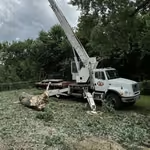
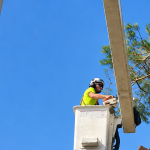
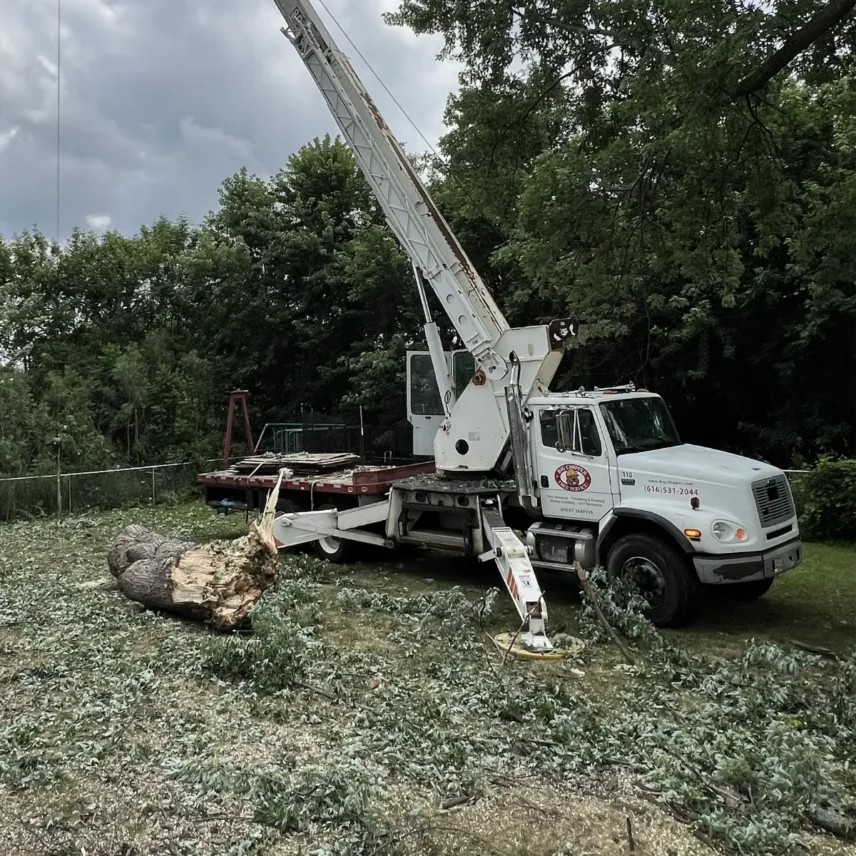
Tree removal and cleanup involve heavy materials and precise coordination. Protecting your property during this process is critical to prevent additional damage. Professional tree services evaluate the site, determine safe removal methods, and ensure that branches or tree sections do not harm structures, landscaping, or driveways. Precision techniques, equipment, and thorough cleanup are key to maintaining both safety and the integrity of your property.
Understanding Insurance Coverage
Most homeowners’ insurance policies in Grand Rapids cover damage caused by fallen trees due to storms, wind, or other natural events. However, if the tree was poorly maintained or diseased, coverage may be limited. Professional documentation, including detailed photos and assessments, clarifies these situations. Additionally, if removal is required for safety reasons, professional crews can perform the work while keeping records that support the claim.
When a tree comes down in a storm, you need someone who shows up fast and knows what they’re doing. Big Chipper Tree Service LLC has handled emergency tree service in Grand Rapids, MI since 1986 — our certified arborists and crews are available 24/7 with the equipment to handle downed trees, storm damage, and hazardous situations safely and quickly.
With a 24/7 response team, workmanship guarantees, and decades of trusted service, homeowners can rely on Big Chipper for fast, professional, and thorough emergency tree care. Call us at (616) 300-1811 for immediate assistance, free estimates, and support through insurance claims.
Frequently Asked Questions by Homeowners in Grand Rapids, Michigan
How quickly should I call a tree service after a tree hits my home in Grand Rapids, MI?
You should contact an emergency tree service immediately, especially if the tree poses a hazard. Prompt action prevents additional damage and ensures safety.
Can I remove the tree myself before contacting insurance?
It is not recommended. Insurance adjusters often need to inspect the damage first. If removal is urgent for safety, photograph everything and keep receipts.
Do I need a professional arborist assessment in Grand Rapids, MI?
Yes, an arborist can document the tree’s condition before the fall and determine contributing factors, which helps with insurance claims.
Will insurance cover tree removal costs?
If the tree fell due to a covered event, insurance typically covers removal costs, including debris cleanup.
What if only minor damage occurred?
Document all damage and contact your insurance provider. Even small incidents may be covered, including tree removal and stump grinding.
Can neighboring trees cause insurance complications in Grand Rapids?
Yes, if a neighbor’s tree falls on your property, insurance and liability considerations may apply. Document the damage and contact both parties.
How do I choose a reliable emergency tree service in Grand Rapids?
Look for licensed, insured, and certified professionals with a proven track record in emergency tree removal and storm damage cleanup.
Summary Checklist: Emergency Tree Protocol
| Step | Recommended Action |
| Safety First | Evacuate hazards; call emergency services if needed |
| Call Professionals | Contact Big Chipper Tree Service LLC for an immediate response |
| Document Damage | Photos, videos, and notes of all affected property |
| Timeline | Record storm details and incident timing |
| Arborist Assessment | Professional evaluation of tree condition |
| Inventory | List all damaged items and property |
| Repair Estimates | Obtain multiple detailed contractor estimates |
| Insurance | Notify the provider promptly with full documentation |
| Communication | Keep all records of correspondence |
Final Advice
If a tree hits your home in Grand Rapids, your first priority is safety. Get everyone away from harm and stay clear of downed power lines or unstable structures. Once safe, document the damage with photos and videos and contact your insurance provider right away.
Don’t try to remove large branches or the tree yourself if it poses any risk. Cover exposed areas of your home to prevent further damage and keep records of all insurance communications. Calling a professional tree service in Grand Rapids, MI ensures the job is handled safely without adding more risk to an already stressful situation.
Once the immediate danger is handled, inspect your property for hidden damage and check nearby trees. Catching problems early is the best way to protect your home and prevent it from happening again.
Reviewed by a Certified Arborist
This article has been reviewed by a certified arborist to ensure all information regarding tree care and storm safety is accurate and up to industry standards.