Key Takeaways
- Grand Rapids offers an extensive network of parks, trails, and natural areas that rely on healthy tree canopy for shade, beauty, and habitat.
- Major green spaces such as Riverside Park, Aman Park, and the Grand River Greenway each offer a distinct outdoor experience.
- Tree health directly affects trail safety, recreational comfort, and long-term park usability.
- Seasonal changes bring different opportunities for outdoor recreation across the city’s green spaces.
- Big Chipper supports both public and private green space maintenance, helping keep Grand Rapids’ outdoor areas safe and well cared for.
Grand Rapids, Michigan has long placed value on public green space, from historic city parks established more than a century ago to newer trail systems along the Grand River. This network of parks, preserves, and greenways gives residents access to recreation, shade, and natural scenery throughout the year, and much of that experience depends on the health of the trees that make up these spaces.
Mature tree canopy in parks does more than provide a pleasant backdrop. It moderates temperature on hot summer days, filters air and water, supports local wildlife, and gives trails and picnic areas the shaded character that makes them appealing destinations.
This canopy also represents decades of planning and investment, since many of the largest trees found in Grand Rapids parks today were planted long before the surrounding neighborhoods reached their current size. Maintaining that legacy requires ongoing care, not just periodic new plantings.
For residents, this means the outdoor experience Grand Rapids offers today is really the product of long-term stewardship, and continuing to protect that canopy is part of what keeps these spaces enjoyable for future generations of park and trail users.
Riverside Park and the Grand River Greenway
Riverside Park sits along the Grand River and offers walking paths, open lawns, and river access framed by a mix of native hardwoods. The broader Grand River greenway connects several parks and trail segments, giving residents a continuous corridor for walking, running, and cycling with tree cover along much of its length.
Because these areas sit close to the river, soil moisture and periodic flooding influence which tree species thrive here, with cottonwoods, willows, and other water-tolerant species common along the immediate riverbank.
Further from the water’s edge, the greenway transitions into a broader mix of upland hardwoods, giving visitors a noticeably different canopy experience depending on which section of the trail they’re walking. This variety is part of what makes the greenway appealing across different seasons and weather conditions.
Several access points along the greenway also connect to smaller neighborhood parks and side trails, making it possible to plan a short walk or a much longer outing depending on how much of the corridor a visitor wants to cover.
Aman Park and Wooded Nature Areas
Aman Park on the city’s west side, offers a more forested experience, with wooded trails winding through mature stands of oak, maple, and beech. These natural areas provide a quieter alternative to the city’s more developed parks and are popular for hiking, birdwatching, and seasonal foliage viewing.
Because Aman Park and similar natural areas contain older, less-managed canopy compared to manicured city parks, deadfall and storm-damaged trees are a more routine part of the landscape, which is factored into how the city plans trail maintenance and closures after significant weather events.
Visitors to these more forested areas will also notice a greater variety of understory plants and younger trees filling gaps left by fallen canopy, a natural regeneration process that gives wooded parks a different character than the more manicured, open-lawn style of Grand Rapids’ downtown parks.
Trail conditions in these wooded areas can also change more noticeably with the seasons, from muddy paths after spring thaw to leaf-covered trails in fall, which is part of the appeal for visitors seeking a more rustic outdoor experience within city limits.
Neighborhood and Pocket Parks
Beyond its larger parks, Grand Rapids maintains numerous smaller neighborhood parks that provide accessible green space closer to home. These pocket parks often rely on a smaller number of mature shade trees to create comfortable gathering spaces for playgrounds, sports fields, and picnic areas.
Because these trees frequently stand near high-traffic areas like playground equipment and walking paths, their structural condition is especially important, and routine inspection helps catch developing hazards before they affect public safety.
Neighborhood parks also tend to rely on a smaller number of trees to do a lot of work, providing shade over sports fields, benches, and gathering spaces all at once. Losing even a single mature tree in one of these smaller parks can noticeably change how comfortable the space feels during summer months.
Because these parks are often within walking distance of the homes around them, residents tend to notice changes in their condition quickly, which can make them a useful starting point for community involvement in local tree planting or care initiatives.
Seasonal Uses of Grand Rapids’ Outdoor Spaces
Spring brings blooming ornamental trees and new leaf growth throughout the city’s parks, while summer shade becomes a major draw for picnickers and trail users seeking relief from the heat. Fall transforms much of the city’s canopy into a display of color that draws visitors to trails and parks specifically for foliage viewing, and winter opens many of the same trail networks to walking, snowshoeing, and quiet exploration through bare, structurally exposed canopy.
Each season also brings different tree-care considerations for the city and for private landowners near these spaces, from spring storm cleanup to summer pest monitoring and winter risk assessment.
Residents planning outdoor activities can generally expect the busiest trail and park use during late spring through early fall, while winter months tend to draw a smaller but consistent group of walkers and cross-country skiers taking advantage of quieter, snow-covered trails.
Supporting Healthy Trees in Public and Private Green Spaces
While the City of Grand Rapids manages canopy within its parks and public land, many green spaces residents enjoy sit adjacent to private property, where individual homeowners and businesses play a role in maintaining the surrounding tree cover. An experienced tree service company in Grand Rapids, Michigan can help in preserving the overall look and safety of these shared outdoor spaces.
Property owners bordering a park or trail may also want to consider how their own trees interact with the public space next door, since overhanging limbs, shared root systems, or storm-damaged trees near a boundary line can affect both private property and the public area beyond it.
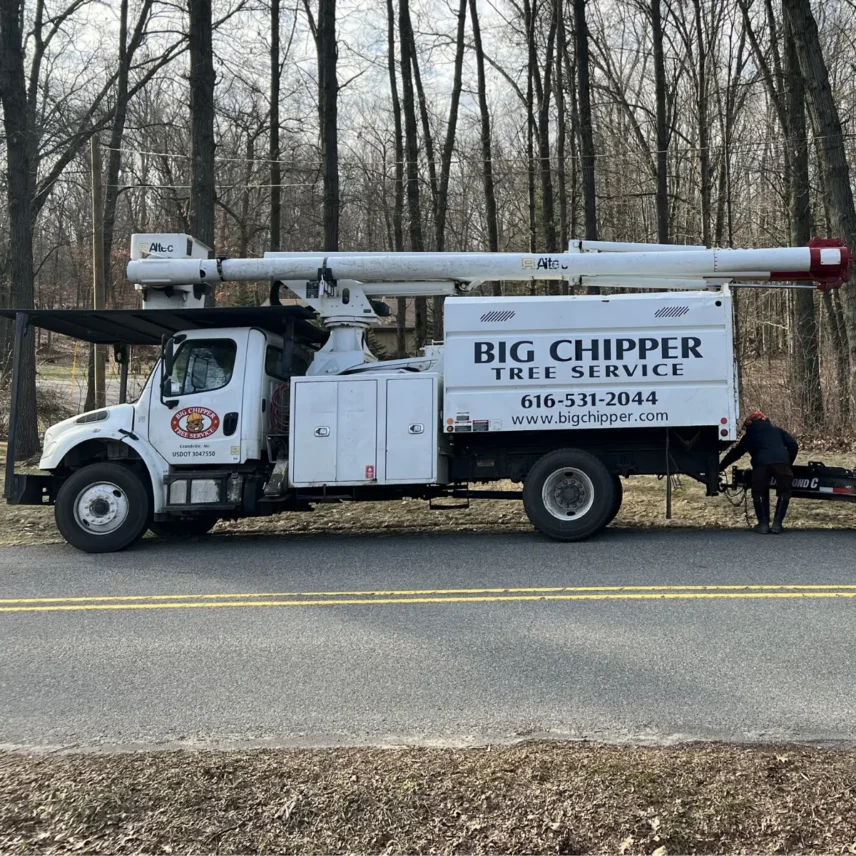
Big Chipper Tree Service helps Grand Rapids homeowners and businesses maintain healthy trees on properties near parks, trails, and other outdoor spaces. Our team can assess trees for deadwood, storm damage, weak branches, and other conditions that may affect safety. Routine tree care can help preserve healthy canopy while reducing potential hazards near walking paths, homes, and gathering areas.
Big Chipper Tree Service can also help property owners address trees that overhang public spaces or sit close to property boundaries. When a tree becomes unsafe or severely damaged, we can recommend appropriate removal and cleanup. Maintaining trees on private properties also helps support the safety and appearance of the green spaces residents enjoy throughout the year.
Frequently Asked Questions About Outdoor Spaces in Grand Rapids, Michigan
What is the largest natural area within Grand Rapids?
Aman Park is one of the larger forested natural areas within the city, offering wooded trails through mature hardwood stands on the west side.
Are Grand Rapids parks affected by storm damage to trees?
Yes. Significant wind or ice storms can cause deadfall and limb loss in park canopy, which sometimes leads to temporary trail closures for cleanup and safety assessment.
Why do riverside areas have different tree species than inland parks?
Soil moisture and periodic flooding near the Grand River favor water-tolerant species like cottonwood and willow, while inland parks support a broader mix of upland hardwoods.
How does tree health affect trail safety?
Weak, dead, or storm-damaged limbs near trails pose a falling hazard, which is why regular inspection and maintenance of park canopy is an ongoing part of trail management.
Does Big Chipper work on private property near Grand Rapids parks and trails?
Yes. Big Chipper provides tree care for private homeowners and businesses, including properties adjacent to public green spaces.
Summary Checklist: Outdoor Space Tree Canopy & Risk Assessment
| Evaluation Area | What to Confirm |
| Canopy health | Overall condition of trees within the park or green space |
| Trail proximity | Presence of deadwood or hazards near walking paths |
| Seasonal risk | Storm, ice, or wind exposure specific to the season |
| Species suitability | Match between tree species and site conditions such as – moisture |
| Public safety features | Tree condition near playgrounds, benches, and gathering areas |
| Private property coordination | Tree care on land adjacent to public trails and parks |
| Maintenance planning | Ongoing inspection and care schedule |
Final Advice
Grand Rapids’ parks, trails, and natural areas are a defining part of life in the city, and their character depends heavily on the health of the trees that shape them. Whether visiting a riverside path, a wooded nature area, or a neighborhood pocket park, a healthy canopy is what makes these spaces enjoyable and safe.
Big Chipper Tree Service supports tree health on private properties near Grand Rapids’ green spaces, helping residents contribute to the safety and beauty of the outdoor areas they use throughout the year.